Dog Waste Health Risks: Why Prompt Cleanup Matters in 2026
That pile left in the backyard is more than an eyesore. Dog waste is a genuine health hazard that can spread parasites and bacteria to your family, your pets, and your community. Understanding the real risks, and cleaning up promptly with a good pooper scooper, is one of the simplest ways to protect everyone in 2026.
This article explains exactly what lurks in dog feces, how those pathogens reach people, and the safe-handling habits that keep your home healthy. The science is clear, and the solution is reassuringly simple: pick it up, every time, without delay.
What Is Actually in Dog Waste?
A single gram of dog feces can contain millions of bacteria, along with parasite eggs that survive in soil for months or even years. Leaving dog waste on the ground gives these pathogens time to spread into your yard, your shoes, and your home.
The most common culprits include roundworms, hookworms, whipworms, giardia, and bacteria such as E. coli and Salmonella. Many of these are zoonotic, meaning they can pass from animals to humans.
The Parasites and Bacteria to Know
Here are the main health threats found in dog waste:
- Roundworms: their eggs can cause serious infections in humans, especially children.
- Hookworms: larvae can penetrate skin through bare feet on contaminated ground.
- Giardia: a parasite that triggers digestive illness in people and pets.
- E. coli and Salmonella: bacteria that cause gastrointestinal illness.
- Whipworms: hardy eggs that linger in soil for extended periods.
According to the Centers for Disease Control and Prevention, children are especially vulnerable because they play close to the ground and often put their hands in their mouths. Prompt removal with a Pooper scooper cuts that exposure dramatically.
How Dog Waste Spreads Illness
Pathogens do not stay put. Rain washes waste into soil and storm drains, insects carry bacteria to food, and pets track contamination indoors on their paws. The result is a web of exposure routes that a quick cleanup interrupts.
Waste left on lawns is a particular problem. As it breaks down, eggs and bacteria mix into the top layer of soil where children and pets spend the most time. The longer waste sits, the wider the contamination spreads.
Why Dog Waste Is Not Fertilizer
A common myth is that dog waste fertilizes grass. In reality, its high nitrogen content burns lawns, and unlike cow manure it is not composted or treated. It simply introduces pathogens while killing your turf.
The U.S. Environmental Protection Agency even classifies pet waste as a nonpoint source of water pollution. You can read its guidance from the Environmental Protection Agency on how unmanaged pet waste contaminates local waterways.
Health Risk Timeline: Fresh vs Left Out
Timing matters more than most owners realize. This table shows how risk climbs the longer waste sits.
| Time Left Out | Primary Risk | Recommended Action |
|---|---|---|
| 0–24 hours | Surface bacteria | Scoop and bag immediately |
| 1–3 days | Odor, fly attraction | Remove and sanitize spot |
| 1 week+ | Parasite eggs mature | Deep clean, treat soil |
| Weeks to months | Soil contamination | Avoid area, reseed lawn |
The takeaway is simple: fresh waste is easiest and safest to remove, while old waste becomes a stubborn contamination problem.
Safe-Handling Habits That Protect Your Family
Protecting your household takes only a few consistent steps. Follow this routine every time:
- Scoop daily so waste never has time to break down.
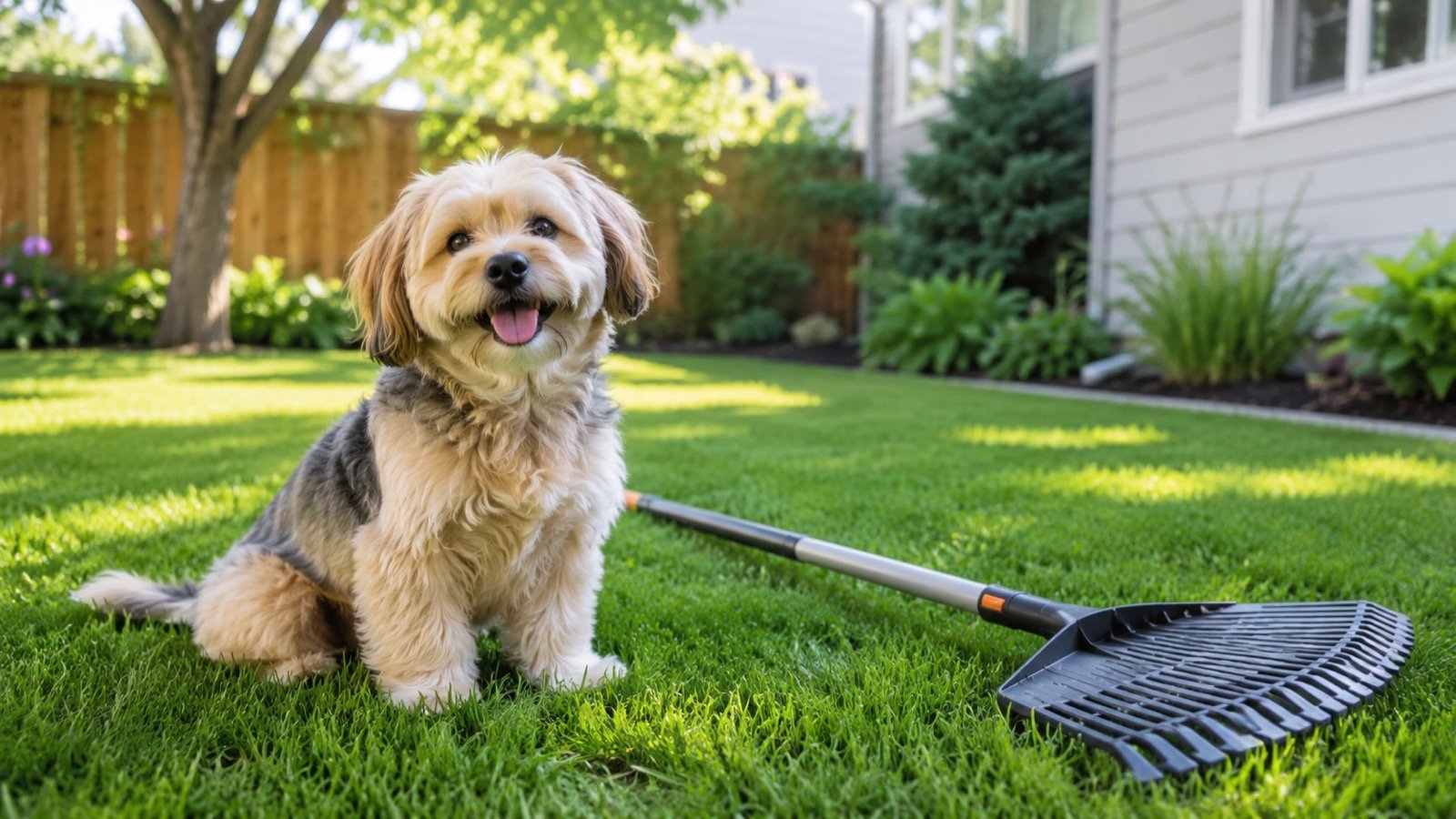
- Use a dedicated tool to avoid direct contact.
- Bag waste in strong, sealed bags to contain pathogens.
- Wash your hands thoroughly after every cleanup.
- Keep pets dewormed on your veterinarian’s schedule.
Sealing waste properly is critical, because leaking bags spread the very bacteria you are trying to contain. A supply of heavy duty bags keeps everything locked in from yard to trash can.
Protecting Public Spaces
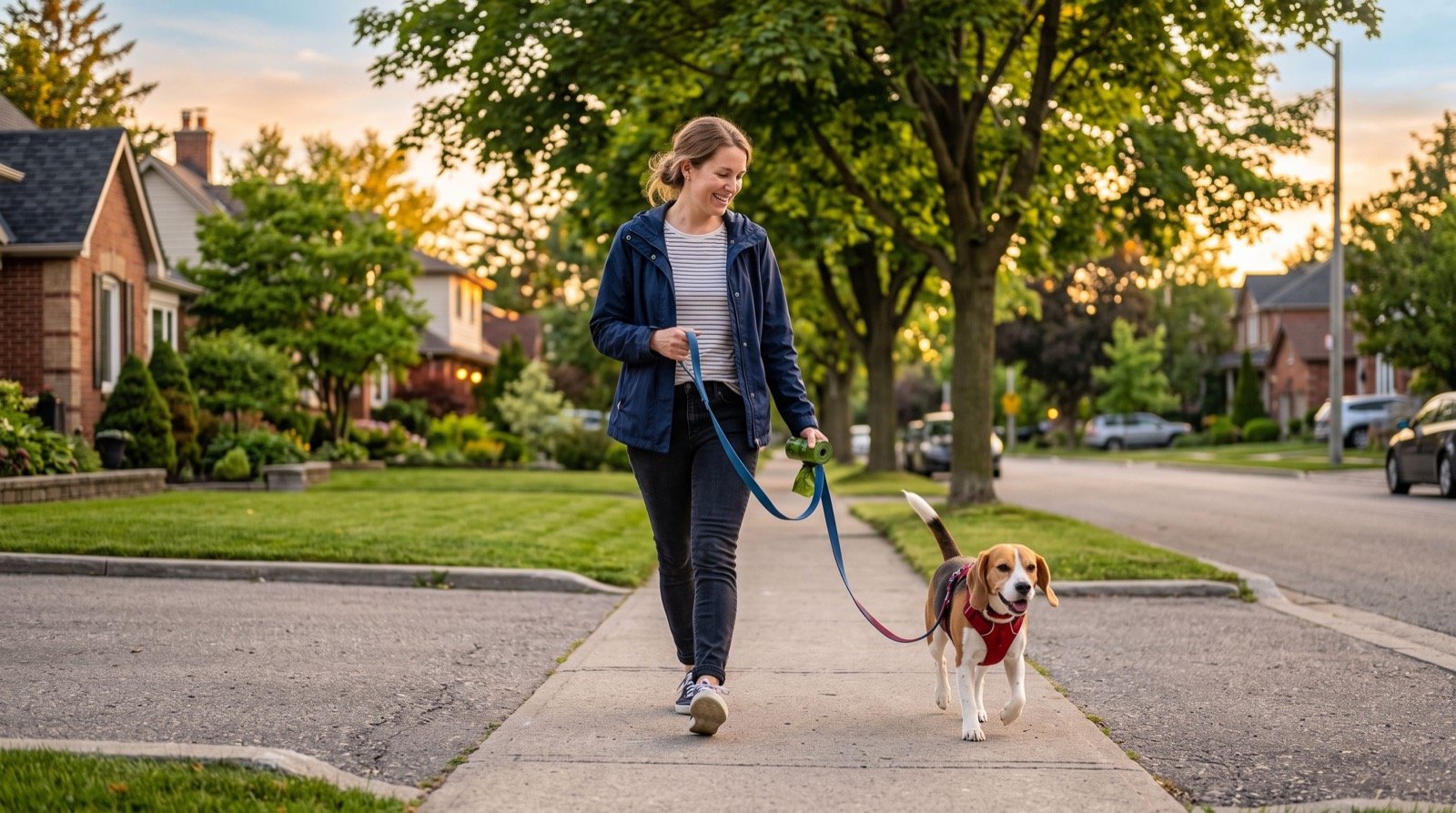
Responsible cleanup extends beyond your yard. Picking up at parks and sidewalks protects neighbors, wildlife, and local water. When managing larger properties or community grounds, many owners rely on quality service providers to keep shared spaces safe and sanitary.
Who Is Most at Risk From Dog Waste?
Dog waste poses a threat to everyone, but some groups face higher risk and deserve extra protection. Knowing who is most vulnerable helps you prioritize prompt, thorough cleanup.
- Young children who crawl, play on the ground, and put their hands in their mouths.
- Pregnant individuals who must avoid certain parasites for the safety of their baby.
- People with weakened immune systems who fight infections less effectively.
- Other pets that sniff, lick, or walk through contaminated ground.
- Gardeners who dig in soil where waste has broken down.
For these groups, even brief exposure can lead to illness. Daily removal is the single most effective way to shield the people and animals you love.
Composting and Disposal Myths
Many owners wonder whether they can toss dog waste in a backyard compost pile. The honest answer is no, not in a standard home system. Ordinary compost piles rarely reach the sustained high temperatures needed to kill roundworm eggs and other hardy pathogens, so you risk spreading contamination onto garden beds.
The safest everyday approach remains simple: bag the waste in a sealed, sturdy bag and place it in the trash for municipal disposal. Flushing is only appropriate where local rules allow it, and never with the bag attached. When in doubt, bag and bin it, then wash your hands thoroughly. These small, consistent choices break the chain of infection before it ever reaches your family.
Frequently Asked Questions
Can dog waste make humans sick?
Yes, dog waste can transmit roundworms, hookworms, giardia, and bacteria like E. coli to people. Children are most at risk. Prompt removal, sealed disposal, and thorough hand washing greatly reduce the chance of infection.
How long do parasites survive in dog waste?
Some parasite eggs, such as roundworm and whipworm, can survive in soil for months or even years. That is why removing waste quickly, before eggs mature and spread, is so important for yard safety.
Is dog poop bad for my lawn?
Yes. Dog waste is not fertilizer. Its high nitrogen content burns grass and leaves brown patches, while its pathogens contaminate the soil where children and pets play. Remove it promptly to protect your turf and health.
What is the safest way to handle dog waste?
Use a dedicated pooper scooper to avoid contact, seal waste in strong bags, dispose of it in the trash, and wash your hands afterward. Keeping your dog dewormed adds another layer of protection.
Conclusion: Clean Up Promptly, Stay Healthy
Dog waste poses real, documented health risks, but the fix is refreshingly easy. By scooping daily with a reliable pooper scooper, sealing waste in strong bags, and washing up afterward, you shield your family, pets, and community from parasites and bacteria. Prompt cleanup is quiet, everyday protection that pays off all year.
Ready to make your yard safer today? Build a simple daily cleanup habit and protect everyone who shares your space, starting right now.