
Queue Management System in Saudi Arabia: Smarter Patient and Citizen Flow
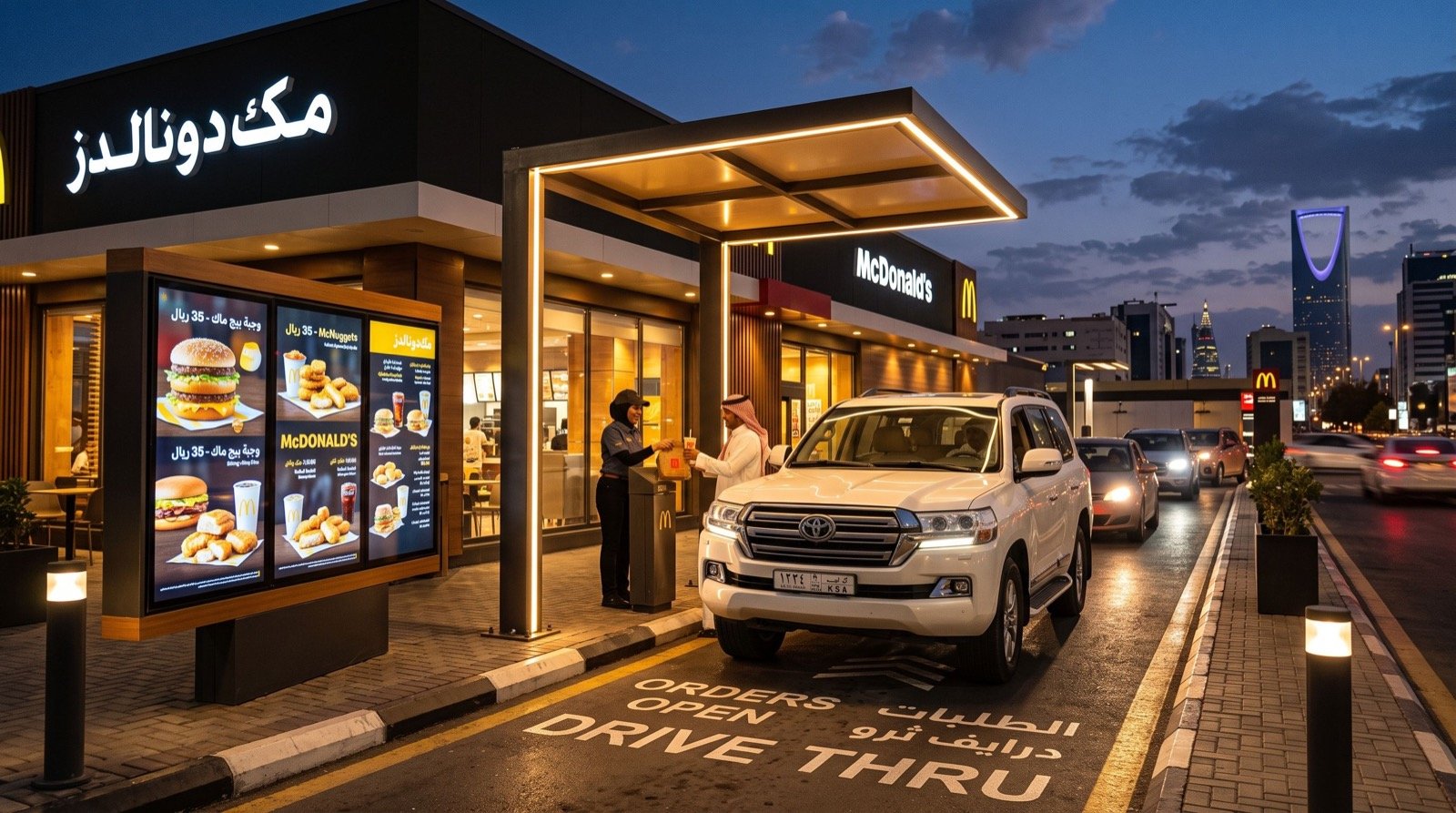
Few places test patience like a crowded hospital lobby or a busy civil-affairs office. For clinics and public offices across the Kingdom, a modern queue management system in saudi arabia is quietly reshaping how patients and citizens experience service in 2026. This article takes a healthcare-and-government angle, showing how orderly flow improves outcomes far beyond a tidier waiting room.
We will look at the real pain points, the features that solve them, and a practical path to rollout that any administrator can follow.
The Hidden Cost of Disorganized Waiting
In a hospital, a chaotic queue is more than an annoyance. It raises anxiety for already-stressed patients, scatters staff attention, and creates crowding that no infection-control officer wants to see.
The World Health Organization has long linked patient experience to better clinical engagement and follow-through. Its guidance on people-centred care stresses dignity and clear communication, both of which start the moment someone walks through the door.
Government counters face a parallel challenge. When citizens cannot tell which line serves their request, frustration and repeat visits multiply. Orderly flow fixes the first impression.
How a Queue Management System in Saudi Arabia Changes the Picture
A queueing platform replaces the scrum with structure. Visitors check in, choose a service, and relax until their number is called on a screen or their phone. Staff, meanwhile, see exactly who is waiting and for what.
The Saudi Ministry of Health has steadily digitized patient-facing services, and queue platforms fit naturally into that wider shift toward connected, data-driven care.
- Priority routing for elderly, disabled, or urgent cases.
- Appointment integration so booked patients skip the general line.
- Mobile check-in that keeps waiting areas from overflowing.
- Live analytics that reveal exactly when demand spikes.
Can a Queue System Really Reduce No-Shows?
Yes, and the mechanism is simple. Automated reminders and virtual tickets keep appointments top of mind, while shorter perceived waits make patients less likely to abandon a visit. Over a quarter, those small nudges add up to a healthier schedule and fewer wasted slots.
Connecting the Front Desk to the Contact Center
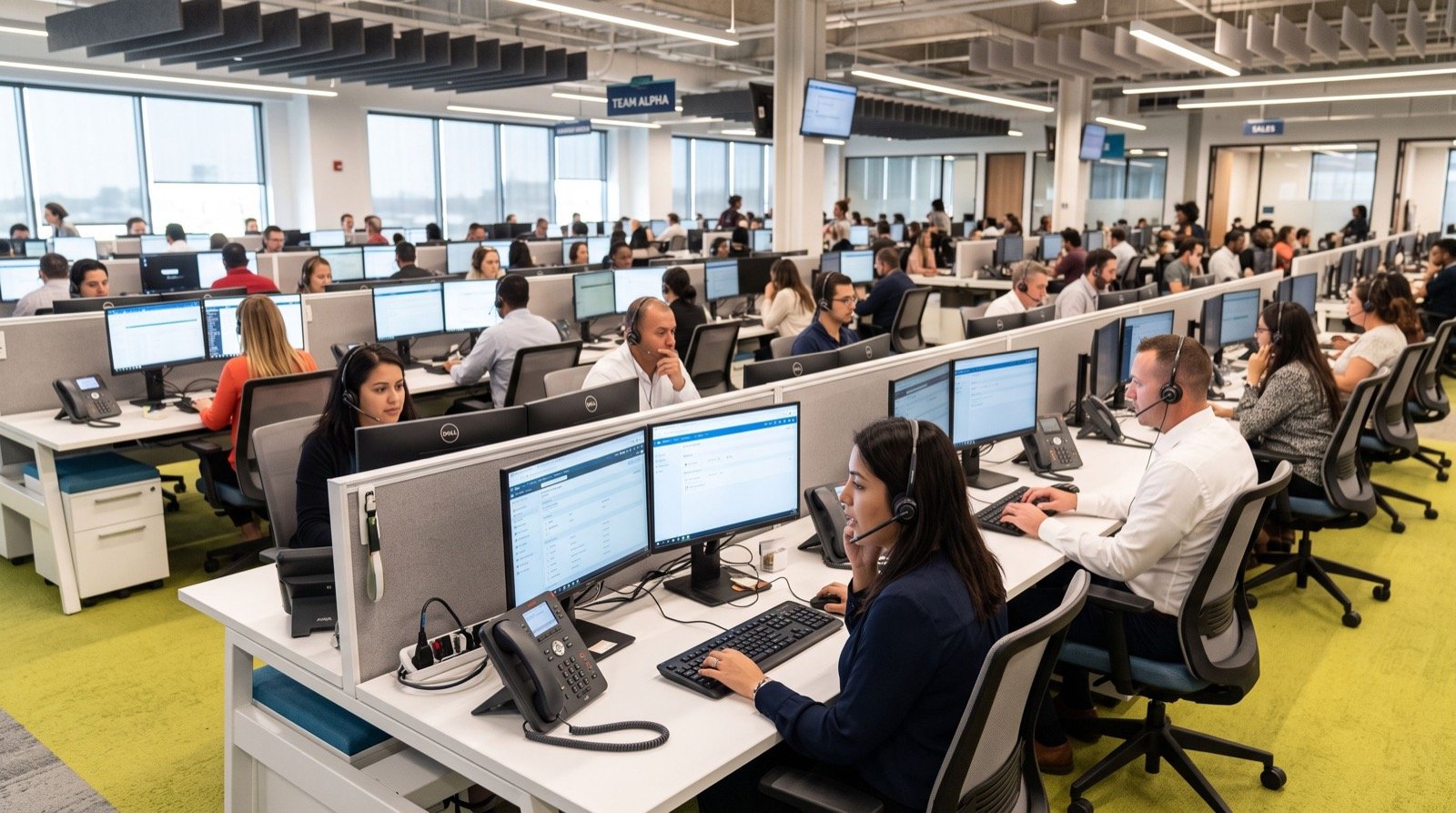
Waiting is not only a lobby problem. Many patients and citizens first reach out by phone, and the reception team juggling those calls needs clear audio to work quickly.
Equipping agents with a professional headset such as the Addasound Epic 511 keeps callback conversations crisp, reduces repeated questions, and lets staff update the queue while they talk. The result is a smoother handoff between the phone line and the physical line.
This connection matters. When the same platform tracks phone bookings and walk-ins, administrators finally see one honest picture of demand.
Feature Comparison for Public-Service Settings
| Need | Feature | Benefit |
|---|---|---|
| Reduce lobby crowding | Virtual mobile queuing | Patients wait outside or in their car |
| Serve urgent cases first | Priority ticketing | Fairer, safer triage |
| Plan staffing | Peak-hour analytics | Right people at the right time |
| Serve diverse visitors | Arabic/English kiosks | Clear self-service for all |
| Improve phone handling | Contact-center headsets | Faster, clearer callbacks |
A Practical Rollout Plan
Administrators often worry that new technology will disrupt a busy facility. A staged plan removes most of that risk.
- Map the journey. Walk the patient path from door to exit and note every pause.
- Pilot one department. Outpatient clinics are ideal first candidates.
- Train and listen. Frontline staff spot friction faster than any consultant.
- Measure honestly. Compare wait times before and after, week by week.
- Scale with confidence. Use the proven template across the facility.
If internal capacity is tight, bringing in reliable local experts to handle installation and training keeps the project on schedule without pulling clinicians off their core work.
Original Tip: Design for the Anxious Visitor
Here is a practical insight that rarely appears in vendor brochures. Place a live wait-time estimate at eye level near the entrance, not buried on a side screen. Anxious patients calm down the instant they can see a realistic number, and that single design choice often lifts satisfaction scores more than any backend upgrade.
Accessibility and Fairness Deserve Priority
Public service must work for everyone, including elderly visitors, people with disabilities, and those who are not comfortable with technology. A queue platform should never become a barrier.
Good systems offer large, high-contrast displays, clear audio announcements, and staff-assisted check-in for anyone who needs it. Priority tickets ensure that a frail patient is not left standing while a healthier visitor is seen first.
Fairness also builds trust. When citizens see that the order is transparent and rule-based, confidence in the institution grows. That intangible benefit often matters as much as the raw time saved.
Protecting Data and Privacy
Healthcare and government queues touch sensitive personal details. Any system you choose should store data securely, limit who can view it, and comply with local privacy expectations. Ask vendors directly how they handle retention and access controls before you sign.
A Quick Note on Staff Morale
Overlooked in most buying decisions is the effect on employees. A disorganized lobby wears staff down, fuels conflict, and drives burnout. When the queue runs itself, agents spend their energy helping people rather than refereeing lines.
Managers consistently report calmer teams and lower turnover after deployment, which is its own quiet return on investment.
Measuring Success
Track three numbers from day one: average wait time, queue abandonment, and satisfaction. Pair them with staff feedback to catch issues the dashboard misses.
Most Saudi healthcare and government deployments report visible gains within the first few weeks, as crowding eases and the phone team coordinates more smoothly with the front desk.
Frequently Asked Questions
Is a queue management system suitable for small clinics?
Absolutely. Even a compact single-counter setup reduces crowding, supports priority cases, and captures data that helps a small team plan staffing far more accurately.
How does mobile queuing work for patients without an app?
Most systems issue a ticket by QR code or SMS, so patients simply scan or receive a text. No app download is required, which keeps the option accessible to everyone.
Can the system integrate with existing appointment tools?
Yes. Leading platforms connect to appointment and records systems so booked patients are recognized automatically and routed ahead of walk-in traffic.
Why pair queue software with quality headsets?
Because many visits begin by phone. Clear headsets let reception staff book, confirm, and update queue entries without errors, linking the call center and the lobby into one experience.
Final Thoughts
Orderly flow is a form of care. A well-chosen queue management system in saudi arabia protects dignity, sharpens staffing, and connects every channel a patient or citizen uses to reach you. Begin with one department, measure what matters, and let proven results guide the rollout across your facility in 2026 and beyond.